Evaluating the Black Floral Monogram Frame for Digital Crafting and Personalization
Selecting the right digital asset for personalization projects requires balancing aesthetic appeal with technical versatility. The black floral monogram frame occupies a specific niche in the digital design marketplace, offering a high-contrast, elegant solution for crafters and designers who need immediate access to scalable vector graphics. Unlike physical frames or pre-printed stationery, this digital resource provides complete control over sizing, color modification, and application. Understanding the distinct characteristics of this specific style helps determine whether it aligns with your current project requirements or if an alternative approach would yield better results.
Defining the Black Floral Monogram Frame Aesthetic
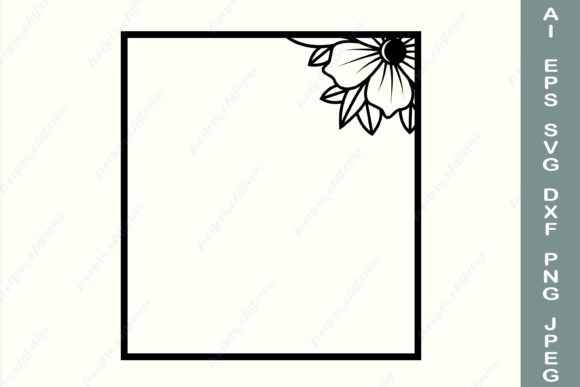
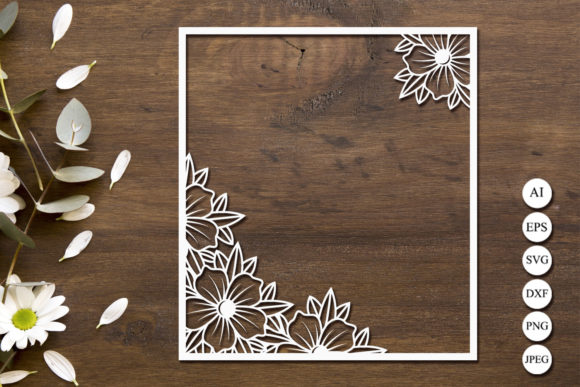
A floral monogram frame is more than a decorative border; it is a structural design element intended to highlight typography while providing organic visual interest. The black color variant serves a functional purpose beyond simple aesthetics. In digital cutting and printing, solid black offers the highest contrast against white or light-colored substrates, ensuring readability and visual impact. This makes it particularly effective for wedding signage, personalized apparel, and formal invitations where legibility is paramount.
The distinction of this specific digital item lies in its format and readiness. As a digital download ready for immediate use, it eliminates shipping wait times associated with physical goods. Users receive a clean image without watermarks, which is essential for professional-grade output. The design typically features intricate botanical line work that balances negative space with detailed linework, allowing the central monogram to remain the focal point without being overwhelmed by the ornamentation.
Comparing Digital Vectors to Raster Alternatives
When evaluating resources for monogram framing, the primary decision often falls between vector-based files and raster images. This floral monogram frame package includes both, but understanding the tradeoffs is vital for optimal usage.
- Vector Files (SVG, DXF, AI, EPS): These are mathematically defined paths rather than pixel grids. They allow for infinite scaling without quality loss. For users operating cutting machines like Cricut or Silhouette, SVG and DXF formats are non-negotiable for clean weeding and precise cuts. Vector files also permit color editing within software like Adobe Illustrator or Inkscape, enabling you to change the black frame to gold, navy, or any brand-specific hue.
- Raster Files (PNG, JPEG): Included at 300 DPI high resolution, these are best suited for print-on-demand services, sublimation, or digital mockups where cutting is not required. While 300 DPI is sufficient for most standard printing, raster files cannot be resized upward significantly without introducing pixelation. They lack editable nodes, meaning the color and shape remain static unless manipulated through photo editing software.
If your workflow involves frequent resizing or color adaptation, relying solely on PNG or JPEG alternatives will limit your creative flexibility. Conversely, if you only require a static overlay for social media graphics, the complexity of vector editing may be unnecessary overhead.
Technical Compatibility and File Format Evaluation
A common friction point in digital crafting is file compatibility. This digital download aggregates multiple formats into a single ZIP file to address varying software ecosystems. Before purchasing or downloading, verify that your specific setup supports the included standards.
SVG (Scalable Vector Graphics): The industry standard for consumer cutting machines. It retains layer information and cut lines. If your machine software fails to recognize the SVG, check for updates or try the DXF alternative.
DXF (Drawing Exchange Format): Often used as a fallback for older cutting machine models or basic editions of cutting software that do not support SVG imports. DXF files can sometimes appear more segmented than SVGs, requiring additional node editing for smooth curves.
AI and EPS: Professional-grade vector formats intended for Adobe Illustrator or CorelDRAW. These preserve the most comprehensive editability, including stroke weights and anchor points. Choose these if you plan to significantly alter the floral composition itself rather than just changing colors.
PNG with Transparent Background: Essential for layering over colored backgrounds in design software like Canva or Photoshop. Ensure the transparency is intact before importing; some platforms automatically add white backgrounds to uploaded assets.
The requirement to extract files from a ZIP archive before use is a standard security and organization measure. Attempting to open vector files directly from within the compressed folder often leads to software errors or corrupted imports. Always unzip to a dedicated project folder first.
Assessing Fit: When This Style Is the Right Choice
The black floral monogram frame excels in specific contexts but may underperform in others. Evaluating fit prevents wasted time on unsuitable assets.
Ideal Use Cases
- High-Contrast Merchandise: Black vinyl on white tumblers, tote bags, or t-shirts provides maximum visibility and classic elegance.
- Formal Stationery: Wedding programs, place cards, and thank-you notes benefit from the traditional association of floral motifs with celebration and formality.
- Laser Cutting and Engraving: The vector nature of the file allows laser cutters to follow precise paths for wood or acrylic blanks. Black fill settings translate well to engraving depth maps.
- Batch Production: Because the file is digital and editable, you can create consistent branding across dozens of items without variation, unlike hand-drawn alternatives.
Limitations and Alternative Considerations
While versatile, this specific aesthetic has boundaries. If your project targets a minimalist, industrial, or ultra-modern demographic, ornate floral detailing may clash with the intended brand voice. Geometric or abstract frames might serve those niches better. Additionally, highly intricate floral designs can present challenges for certain materials. Delicate paper stocks may tear during cutting if the floral details are too fine, and adhesive vinyl may require significant weeding time for complex botanical elements.
For users seeking photorealistic florals rather than line art, this vector-based frame is not the appropriate tool. Photorealism requires raster photography or advanced digital painting, whereas this asset focuses on stylized, cuttable silhouettes. Similarly, if you require a frame that accommodates three or four initials rather than a single monogram, verify the internal negative space dimensions before committing. Some floral frames are optimized strictly for single-letter layouts and may require manual restructuring to fit longer text.
Practical Workflow Integration
Maximizing the value of this digital download involves proper file management and preparation. Since all vector files are editable in size and color, establish a master template in your preferred software. Save a copy of the original black version as a backup, then create working copies for specific projects. This preserves the integrity of the source file while allowing experimentation.
When preparing for cutting, always perform a test cut with the specific material you intend to use. Floral designs vary in line thickness; what works for cardstock may fail on glitter vinyl. Adjust blade pressure and speed based on the finest detail in the frame. For print applications, confirm that your printer’s color profile handles solid black correctly. Some printers render rich black differently than standard black, which can affect the perceived weight of the floral lines.
Ultimately, the decision to utilize a black floral monogram frame should stem from a clear assessment of project needs, technical capabilities, and aesthetic goals. By understanding the distinctions between file formats, recognizing the strengths of vector versus raster, and honestly evaluating stylistic fit, crafters and designers can leverage this digital resource effectively. The immediate availability and multi-format inclusion reduce barriers to entry, but successful execution depends on informed preparation and realistic expectations regarding material compatibility and design constraints.