Modern and Hip Floral Pattern Elements Guide
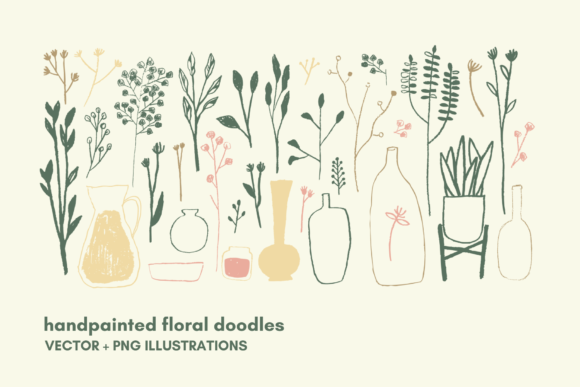
Visual trends in digital design and textile printing have shifted away from traditional, rigid botanicals toward expressions that feel spontaneous, artistic, and contemporary. Modern and hip floral pattern elements represent this evolution, offering a fresh aesthetic that bridges the gap between organic beauty and urban sensibility. For creators, entrepreneurs, and hobbyists, these assets are more than just decoration; they are versatile building blocks for brand identity, product development, and social media engagement. Understanding how to leverage both PNG and AI vector files unlocks a level of creative freedom that static images simply cannot provide, allowing for seamless adaptation across everything from Instagram stories to commercial fabric production.
The Strategic Value of Dual File Formats
The true utility of modern and hip floral pattern elements lies in the availability of dual file formats. While many users may be familiar with raster graphics, distinguishing when to use a PNG versus an AI vector file is critical for professional results. PNG files offer immediate usability. They come with transparent backgrounds, making them ideal for quick digital applications where speed matters more than infinite scalability. A content creator designing an Instagram Story template can drag and drop a PNG floral element directly into Canva or Photoshop without needing to isolate the subject from a background. This format preserves the texture and painterly details often found in hip floral styles, maintaining the artistic integrity of the original brushwork at standard screen resolutions.
Conversely, AI vector files serve as the master source for scalability and modification. Vectors are mathematically defined paths rather than pixel grids, meaning they can be resized to the dimensions of a billboard or shrunk to fit a business card without losing clarity. For those creating print textiles or large-format stationery goods, the vector format is non-negotiable. It ensures crisp edges and vibrant color separation during the manufacturing process. Furthermore, vectors allow for structural editing. If a specific petal shape needs adjustment or if the composition feels unbalanced, individual anchor points can be manipulated. This flexibility transforms a static asset into a customizable design system, enabling users to tailor generic elements to their specific project requirements.
Streamlining Social Media Content Creation
Consistency is the currency of social media, yet producing high-quality visuals daily is resource-intensive. Modern and hip floral pattern elements function as reusable visual anchors that establish brand recognition without repetitive labor. When used as social media elements on Instagram and Canva, these florals add depth and personality to flat designs. Instead of relying solely on stock photography, marketers and bloggers can layer floral PNGs over solid color blocks or text to create dynamic frames, dividers, and highlights.
The "hip" aesthetic specifically resonates with younger demographics and creative niches because it avoids the sterile look of corporate clip art. These elements often feature bold colors, abstract shapes, and hand-drawn imperfections that signal authenticity. For a small business owner promoting a new product line, placing a vibrant floral cluster behind a product shot creates a contextual mood that feels curated rather than manufactured. In Canva, these elements can be saved to a brand kit, ensuring that every post, reel cover, or carousel maintains a cohesive visual language. This efficiency reduces decision fatigue, allowing creators to focus on messaging and strategy rather than starting every design from scratch.
Digital Stickers and Interactive Engagement
Beyond static posts, PNG floral elements excel as digital stickers. In the context of Instagram Stories or interactive planners, stickers encourage user participation. Creators can cut and paste individual blooms or leaves to build custom sticker packs that followers can save and reuse. This not only increases engagement but also extends the reach of the brand’s visual identity. For educators and digital planner enthusiasts, these stickers transform functional documents into personalized experiences. The transparency of the PNG format allows these stickers to sit naturally over any background, mimicking the tactile experience of physical scrapbooking while retaining digital convenience.
Mastering Seamless Patterns for Physical Products
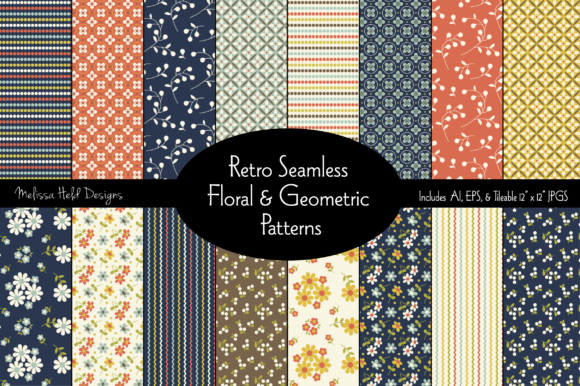
Transitioning from digital screens to physical goods requires a different technical approach. Creating print textiles, stationery goods, phone cases, and masks demands seamless patterns that repeat without visible breaks. Modern and hip floral pattern elements are uniquely suited for this because their organic, irregular shapes help disguise repeat lines better than geometric motifs. However, achieving a truly seamless result requires intentional arrangement. Users must recolor, resize, and rearrange vector components to create a balanced flow. Simply tiling a single image often results in obvious grid lines; instead, designers should scatter elements across the canvas, rotating and scaling them to fill negative space organically.
The ability to recolor vector elements is particularly valuable for product lines. A single set of floral vectors can generate multiple SKUs by shifting the palette to match seasonal trends or specific brand guidelines. A phone case design featuring deep jewel tones for autumn can be instantly adapted into a pastel variation for spring without redrawing the artwork. This maximizes the return on investment for the asset pack. For mask production and apparel, the scale of the pattern must be adjusted relative to the product size. Large-scale florals might work beautifully on a tote bag but could look chaotic on a face mask. Vector files allow designers to test various scales rapidly, ensuring the motif complements the form factor of the final product.
Practical Considerations for Print Production
While modern and hip floral elements offer immense creative potential, successful printing requires attention to technical specifications. Color management is paramount. Screens display RGB color, while printers use CMYK. Vibrant neon or highly saturated digital colors may appear duller in print. Designers should convert vector files to CMYK mode before finalizing patterns for textiles or stationery to preview accurate color output. Additionally, resolution matters even for vectors when incorporating textured effects. If the floral style includes watercolor washes or grain overlays within the vector file, ensure those embedded rasters are high enough resolution (typically 300 DPI at print size) to avoid pixelation.
Users should also consider the substrate when designing. Ink behaves differently on cotton canvas compared to glossy phone case plastic or paper stationery. Testing swatches is recommended before committing to large production runs. For masks and wearable items, the placement of the pattern is as important as the pattern itself. A beautiful floral arrangement might be ruined if a seam cuts through a focal point. Using vector files allows for precise positioning adjustments to accommodate seams, zippers, and hardware, ensuring the final product looks professionally finished.
Who Benefits Most from Versatile Floral Assets
The versatility of modern and hip floral pattern elements makes them relevant to a broad spectrum of users, though the specific benefits vary by role. Freelance graphic designers and agencies benefit from the time savings associated with pre-made, editable assets. Rather than illustrating custom florals for every client brief, they can adapt existing vector packs to meet tight deadlines while delivering unique results. Small business owners and POD (Print on Demand) sellers gain access to trend-responsive aesthetics without hiring full-time illustrators. The ability to quickly recolor and rearrange elements allows them to keep their shops stocked with fresh designs that align with current market preferences.
Educators, coaches, and service providers utilize these elements to soften their branding and make informational content more approachable. The organic nature of floral design helps balance text-heavy materials, improving readability and retention. Hobbyists and digital journaling enthusiasts appreciate the accessibility of PNG stickers, which lower the barrier to entry for creative expression. However, users should assess their skill level before purchasing. While PNGs are universally accessible, maximizing the value of AI vector files requires familiarity with Adobe Illustrator or compatible software like Affinity Designer. Those uncomfortable with vector editing may find greater immediate value in comprehensive PNG packs or should invest time in learning basic vector manipulation to fully realize the potential of these assets.
Ultimately, modern and hip floral pattern elements serve as a bridge between artistic vision and practical application. Whether enhancing a digital marketing campaign, developing a tangible product line, or simply adding joy to a personal project, these assets provide the foundational vocabulary needed to communicate style and substance. By understanding the distinct roles of PNG and vector formats and applying thoughtful design principles, users can transform simple floral motifs into powerful tools for connection and commerce.