Seamless Retro Floral Geometric Pattern: Practical Applications for Modern Design Projects
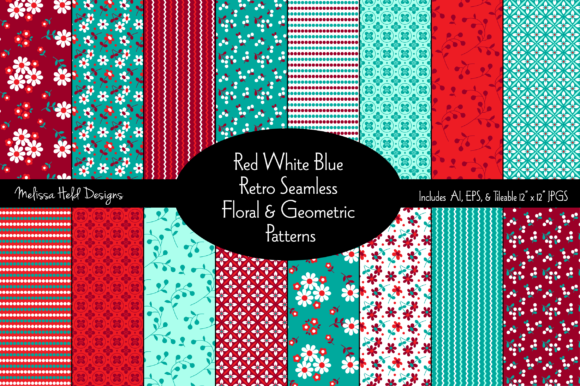
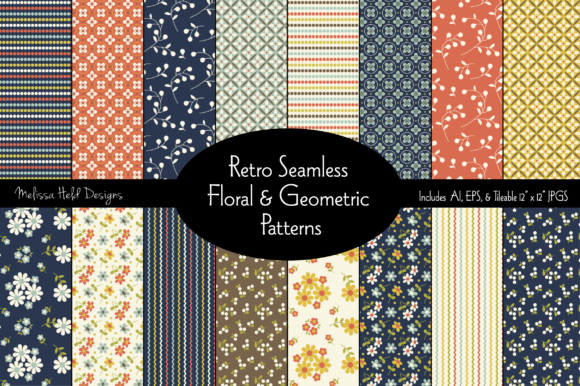
Finding the perfect background texture often dictates the success of a creative project. A seamless retro floral geometric pattern bridges the gap between nostalgic charm and modern structural design, offering a versatile aesthetic that feels both curated and timeless. When you work with a comprehensive set of 16 seamless, vintage-inspired designs featuring florals, stripes, and geometric shapes, you are not just downloading digital assets; you are acquiring a flexible toolkit for visual storytelling. These patterns serve as foundational elements for creators who need to produce professional-grade visuals without spending hours drawing repetitive motifs from scratch.
Elevating Physical Products and Packaging
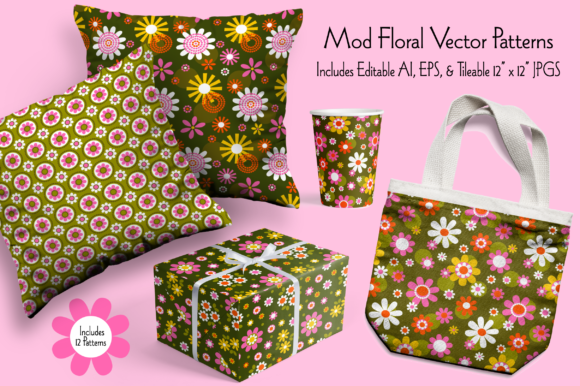
For small business owners and entrepreneurs in the e-commerce space, packaging is frequently the first physical touchpoint a customer has with a brand. Using a seamless retro floral geometric pattern on gift wrap, shopping bags, or product boxes can instantly communicate a boutique, artisanal quality. Because these files are tileable at 12 x 12 inches, they are perfectly sized for standard printing needs without requiring complex scaling or resolution adjustments that might degrade image quality.
Consider a candle maker launching a new autumn collection. Instead of plain kraft paper, wrapping each vessel in a vintage-inspired floral stripe creates an unboxing experience that encourages social media sharing. The geometric elements within the pattern provide enough structure to look polished on camera, while the floral aspects add warmth. Since the set includes 16 distinct variations, a business can rotate designs seasonally or use different patterns to denote various product lines, maintaining brand consistency while keeping the visual presentation fresh.
Stationery and Paper Goods
Stationery designers and hobbyists benefit significantly from having editable source files. When creating wedding invitations, greeting cards, or journal covers, the ability to tweak colors is essential. With 16 editable AI and EPS files included in this collection, you can adjust a mustard yellow retro flower to match a specific Pantone swatch or soften a bold geometric stripe for a baby shower announcement. This level of customization transforms a generic asset into a bespoke design element.
Scrapbookers and memory keepers also find immense value here. Digital scrapbooking requires high-resolution backgrounds that do not distract from photographs. A 12 x 12 JPG tileable format aligns perfectly with standard digital scrapbook page sizes. The mix of busy florals and simpler geometric stripes allows for layering; a creator might use a bold floral as a base and overlay a semi-transparent geometric pattern to create depth behind a family photo. This interplay of textures mimics traditional paper crafting techniques but with digital precision.
Digital Design and Web Aesthetics
In the digital realm, seamless retro floral geometric patterns solve common layout problems for bloggers, marketers, and web designers. Solid color backgrounds can sometimes feel flat or unfinished, while photographic backgrounds can make text difficult to read. A subtle, low-contrast vintage pattern adds tactile interest to a website header or blog post divider without compromising readability.
Social media managers can utilize these patterns to create cohesive Instagram carousel templates or Pinterest pin backgrounds. The retro aesthetic currently performs well across lifestyle, education, and wellness niches because it evokes feelings of comfort and reliability. By using the expanded pattern layers in the AI files, designers can isolate specific motifs—like a single daisy or a diamond shape—to use as standalone icons or watermarks, extending the utility of the pack far beyond simple background tiling.
Textiles and Home Decor Prototyping
Fashion designers and interior decorators often use digital patterns to visualize concepts before committing to expensive fabric printing. Having a set of 16 varied designs allows for rapid prototyping of throw pillows, curtains, or apparel. You can mock up a mid-century modern chair upholstery using the geometric options, then switch to the floral stripes for a coordinating lumbar pillow. Because the files are vector-based (AI/EPS), they can be scaled to any size required for textile manufacturing without pixelation, ensuring that the prototype accurately represents the final product.
Educators and teachers creating classroom materials also leverage these aesthetics. Vintage-inspired visuals are engaging for students and can help differentiate learning modules. A math worksheet featuring a soft geometric border feels more inviting than a stark black-and-white document. Similarly, history or literature teachers might use retro florals to set a period-appropriate tone for handouts or presentation slides, making educational content visually immersive.
Technical Considerations for Optimal Results
Before integrating a seamless retro floral geometric pattern into your workflow, understanding the file structure ensures you get the best outcome. The inclusion of both expanded patterns and swatches in each file is a critical feature for efficiency. Swatches allow for quick application in Adobe Illustrator, letting you test multiple designs in seconds. Expanded patterns, however, give you full control over individual elements, which is necessary if you need to recolor specific parts of the motif or rearrange the composition.
- Resolution Check: While the JPGs are conveniently tileable at 12 x 12 inches, always verify the DPI (dots per inch) matches your print requirements. For professional offset printing, ensure the rasterized version maintains at least 300 DPI at the intended print size.
- Color Mode Awareness: Retro patterns often feature vibrant, saturated colors. If you are designing for print, convert the RGB AI/EPS files to CMYK early in the process to avoid unexpected color shifts, particularly with neon or bright orange retro tones.
- Seamlessness Verification: Although labeled seamless, always test the tile on a larger artboard before finalizing a design. Zoom in on the edges where the pattern repeats to ensure there are no visible seams or mismatched elements, especially after resizing or rotating.
- Licensing Clarity: Understand the usage rights associated with the 16 editable files. Determine if you can use the patterns for commercial end products (like selling printed fabric) versus digital-only applications, as this varies by provider.
Choosing the Right Pattern for the Context
Not every retro pattern suits every project. When selecting from the set of 16, consider the visual weight of the design. Dense, multi-colored florals command attention and work best as focal points for gift wrap or featured hero images. Conversely, sparse geometric stripes or tonal vintage textures function better as supporting elements for stationery or website backgrounds where text legibility is paramount.
Think about the emotional resonance of the specific retro era being referenced. Mid-century geometrics suggest optimism and modernity, suitable for tech startups or contemporary home goods. Victorian or 70s-inspired florals evoke tradition and nostalgia, ideal for heritage brands, bakeries, or personal memoirs. Matching the historical connotation of the pattern to your project’s message prevents visual dissonance.
Maximizing Value Across Multiple Formats
The true advantage of this collection lies in its format diversity. Relying solely on JPGs limits you to static usage. By utilizing the editable AI and EPS files, future-proof your design library. Trends shift, and today’s popular color palette may fade next year. Owning the vectors means you can recolor the entire seamless retro floral geometric pattern set to match emerging trends without repurchasing assets. This adaptability makes the initial investment significantly more cost-effective over time.
Furthermore, the organization of these files supports efficient workflow. Having 16 distinct yet stylistically related patterns reduces the time spent searching for complementary textures. When designing a coordinated suite of materials—such as a business card, letterhead, and envelope—you can pull three matching patterns from the same set, guaranteeing stylistic harmony. This cohesion is difficult to achieve when sourcing individual patterns from disparate creators.
Ultimately, whether you are wrapping gifts, designing textiles, building a website, or teaching a class, these patterns offer a practical solution to the blank canvas problem. They provide immediate visual context and professional polish, allowing you to focus on the unique content of your project rather than the mechanics of pattern creation. By understanding the technical specifications and applying them thoughtfully to real-world scenarios, a set of vintage-inspired assets becomes an indispensable part of your creative infrastructure.