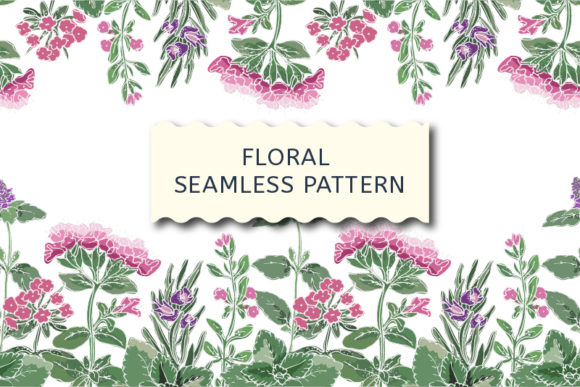
Vector Floral Border, Aroma Herbs: Elevating Design with Botanical Authenticity
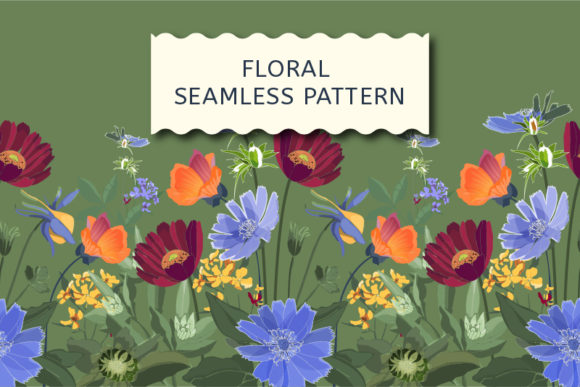
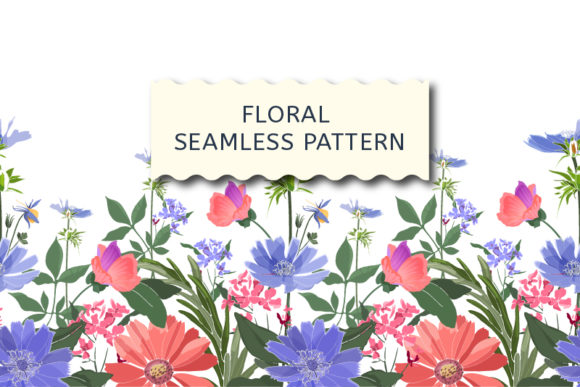
In the evolving landscape of digital and print design, there is a distinct shift away from synthetic, overly polished aesthetics toward organic realism and tactile warmth. This movement has brought botanical illustration back to the forefront of creative workflows, specifically through assets like the Vector Floral Border, Aroma Herbs collection. This resource represents more than just a decorative element; it is a functional design tool that bridges the gap between traditional botanical art and modern vector scalability. Featuring culinary spicy herbs such as rosemary, thyme, mint, oregano, and melissa (sweet-Mary), this seamless pattern offers creators a versatile foundation for projects ranging from interior textiles to digital branding.
The relevance of such specific botanical assets lies in their dual nature. They serve as both aesthetic enhancements and semantic signals. When a designer chooses a pattern featuring accurate depictions of stems, branches, leaves, and flowers, they are communicating freshness, natural origin, and artisanal quality. In an era where consumers are increasingly scrutinizing product ingredients and sustainability claims, visual authenticity matters. A generic flower pattern suggests "beauty," but a precise rendering of oregano and thyme suggests "culinary expertise," "wellness," or "organic living." This specificity allows professionals to align their visual identity with the actual values of the brand or product they are representing.
The Resurgence of Botanical Accuracy in Modern Workflows
Historically, floral patterns were often stylized to the point of abstraction. While beautiful, these designs frequently lacked the identifiable characteristics of specific plant species. Today’s market preferences have shifted toward botany flower scapes that respect the morphology of the plant. Users are paying closer attention to details like the serrated edge of a mint leaf or the woody stem structure of rosemary. This trend is driven by a broader cultural interest in gardening, foraging, and farm-to-table lifestyles. As audiences become more knowledgeable about flora, design assets must evolve to meet this heightened expectation of accuracy.
For creators working in Adobe Illustrator or similar vector environments, the demand for editable, high-fidelity botanicals has transformed production workflows. Raster images of herbs may suffice for small web graphics, but they fail when applied to large-format wallpaper or fabric printing. The Vector Floral Border, Aroma Herbs package addresses this limitation by providing source files in EPS 10 format. This ensures that every curve of a sweet-Mary branch remains crisp whether it is printed on a business card or a bolt of upholstery fabric. The ability to manipulate individual elements—isolating a single sprig of thyme or adjusting the density of the tile flowering pattern—empowers designers to customize assets rather than being locked into a static composition.
Technical Specifications and Practical Application
Understanding the technical delivery of design assets is crucial for professional implementation. This collection is structured to support diverse output requirements without compromising quality. The package includes three distinct file formats, each serving a specific purpose in the creative pipeline:
- EPS 10 Vector File: At 3600x3000 px, this is the master file for Adobe Illustrator users. It allows for infinite scaling, color separation, and element rearrangement. This format is essential for textile manufacturing and large-scale printing where resolution independence is mandatory.
- JPG Raster Image: Also sized at 3600x3000 px, this flattened version provides immediate usability for mockups, social media content, and digital presentations where vector editing is unnecessary.
- PNG Transparent File: Matching the dimensions of the other files, the PNG offers transparency for layering over colored backgrounds or integrating into complex composite designs without white box artifacts.
This multi-format approach acknowledges the reality of modern freelance and agency work, where a single asset might need to be deployed across print packaging, website headers, and client pitch decks within the same afternoon. The inclusion of a TXT readme file further streamlines the workflow by providing necessary licensing and usage information, reducing administrative friction for busy professionals.
Culinary Herbs as Visual Storytelling Elements
The selection of herbs in this pattern is not arbitrary; it reflects a curated palette of sensory associations. Rosemary evokes memory and savory depth; mint suggests cooling refreshment and cleanliness; oregano implies Mediterranean warmth and rustic cooking; melissa (lemon balm) communicates calm and herbal tea culture. When utilized in a seamless tile pattern, these elements create a rhythmic visual texture that reinforces these sensory cues subconsciously.
For entrepreneurs and marketers in the food, beverage, and wellness sectors, leveraging these specific botanical illustrations can enhance brand storytelling without relying heavily on copy. A wrapping paper design featuring isolated mint and lemon balm immediately positions a gift as refreshing or soothing. Similarly, interior textiles utilizing this art floral vector seamless pattern can transform a kitchen or dining space into an environment that feels connected to culinary traditions. The white background isolation of the herbs in the source material makes this adaptation particularly efficient, allowing designers to easily recolor the backdrop to match seasonal campaigns or existing brand palettes while retaining the intricate detail of the foliage.
Adapting Patterns for Textile and Surface Design
Applying botanical vectors to physical surfaces requires an understanding of scale and repetition. The 3600x3000 px tile size provided in this package is optimized for standard printing repeats, but successful application depends on context. For fabric design, the density of the pattern may need adjustment depending on the weave and intended use. A dense arrangement of stems and flowers might work beautifully for upholstery, creating a rich tapestry effect, while a sparser layout with more negative space could be preferable for lightweight apparel or scarf printing.
In the realm of wallpaper and tile backgrounds, the seamless nature of the vector pattern eliminates visible join lines, which is critical for professional installation. However, designers should also consider the viewing distance. Wallpaper is often viewed from several feet away, meaning the overall tonal balance of the rosemary and thyme clusters matters more than microscopic detail. Conversely, wrapping paper and stationery are handled intimately, making the fine lines of the botany flower scape highly relevant. The vector format facilitates these adjustments, allowing users to scale individual herb isolates up or down to suit the specific ergonomics of the end product.
Sustainability and Longevity in Digital Asset Selection
Beyond aesthetics and utility, the choice of vector-based botanical assets aligns with sustainable design practices. Unlike trend-driven photographic styles that can date quickly, accurate botanical illustration possesses a timeless quality. A well-drawn sprig of oregano looks as relevant today as it did fifty years ago, and likely will fifty years from now. Investing in high-quality, editable vector files reduces the need for constant asset replacement, supporting a more circular creative economy.
Furthermore, the versatility of the Vector Floral Border, Aroma Herbs collection extends its lifecycle across multiple projects. A freelancer might use the full seamless pattern for a client’s restaurant menu, isolate the mint leaves for a cocktail bar’s coaster design, and utilize the rosemary branches for a wedding invitation suite. This multiplicity maximizes the return on investment and minimizes digital waste. For educators and students, these files also serve as valuable study materials for understanding plant structure and vector drawing techniques, adding an educational dimension to their practical utility.
Navigating Licensing and Commercial Use
While the creative potential of these assets is vast, professional integrity requires adherence to licensing terms. The included TXT readme file is a critical component of the package that should never be overlooked. It delineates the boundaries of commercial use, modification rights, and attribution requirements. Respecting these terms protects both the creator’s intellectual property and the user’s business from legal complications.
Professionals should also maintain organized asset libraries. Given the specific naming conventions and file types associated with botanical vectors, establishing a clear filing system ensures that the EPS, JPG, and PNG versions remain linked and accessible. This organizational discipline is part of the broader professional practice that distinguishes serious designers from hobbyists. When working with clients, being able to quickly locate and adapt the correct file format for a specific deliverable demonstrates competence and reliability.
Ultimately, the Vector Floral Border, Aroma Herbs collection exemplifies how specialized design resources can solve real-world problems. By combining botanical accuracy with technical flexibility, it supports the creation of work that is visually engaging, commercially viable, and culturally resonant. Whether used for a boutique product label, a digital blog header, or a custom textile run, these aroma herbs provide a foundational language of nature that speaks clearly to contemporary audiences. The integration of such thoughtful, high-resolution assets into daily workflows empowers creators to produce work that honors both the beauty of the natural world and the rigorous demands of modern design.