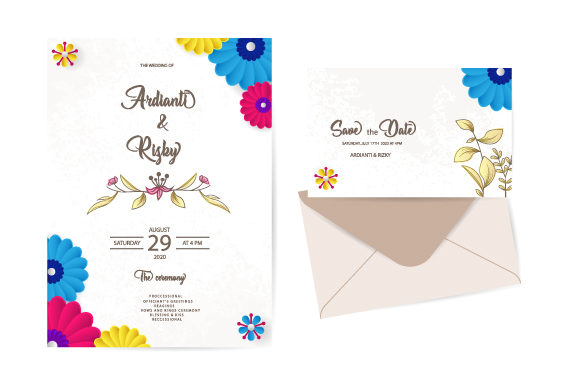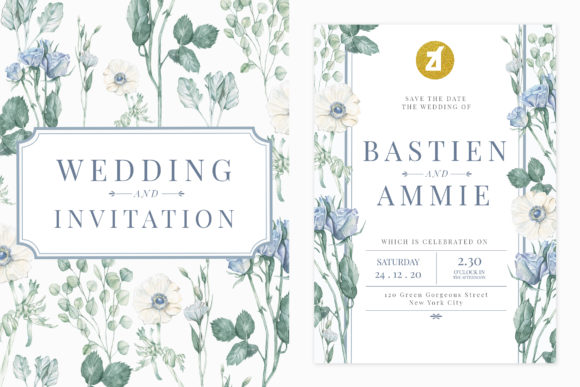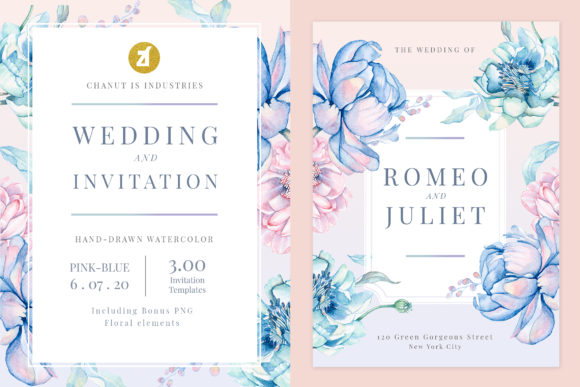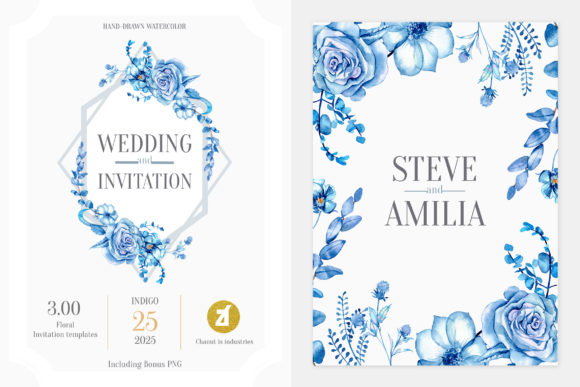
Colorful Floral Wedding Invitation Card: Designing with Purpose and Flexibility
The first tangible touchpoint of any wedding celebration is the invitation. It sets the tone, communicates essential logistics, and offers guests their initial glimpse into the couple’s aesthetic vision. In an era where digital communication dominates, the physical or digital presentation of a Colorful Floral Wedding Invitation Card carries significant weight. It is no longer just a notification of an event; it is a curated piece of design that reflects personal identity and modern sensibilities. The shift toward vibrant, watercolor-based floral designs represents a broader movement in event styling that values organic beauty, artistic expression, and individualized storytelling over rigid tradition.
For couples, designers, and event professionals, selecting the right template involves more than visual appeal. It requires a balance of artistry and utility. A beautiful wedding invitation card with colorful floral watercolor features must also be functional. This is where technical specifications like editable text, customizable colors, and accessible file formats become paramount. The modern workflow demands assets that are easy to use yet professional enough to withstand high-resolution printing or crisp digital display. Understanding the intersection of these aesthetic and practical elements is essential for anyone navigating the current landscape of wedding stationery.
The Resurgence of Watercolor and Organic Aesthetics
Design trends in the wedding industry have evolved significantly over the last decade. While minimalism and stark typography had their moment, there is a distinct return to softness, color, and hand-painted textures. The beautiful wedding invitation card with colorful floral watercolor capitalizes on this desire for warmth and authenticity. Watercolor as a medium suggests effortlessness and natural flow, qualities that resonate deeply with contemporary couples seeking to create welcoming, rather than overly formal, atmospheres.
This trend aligns with broader lifestyle shifts toward sustainability and nature-inspired living. Floral motifs connect the event to the natural world, even when the ceremony is indoors or urban. However, unlike vintage botanical illustrations which can sometimes feel dated or stiff, modern watercolor florals utilize saturated palettes and loose brushwork. This evolution keeps the design feeling fresh and relevant. For marketers and creators in the wedding space, recognizing this nuance is critical. It is not merely about adding flowers to a layout; it is about capturing a specific emotional resonance through color theory and texture. The vibrancy of a colorful floral design serves as a visual anchor, drawing attention and creating a memorable brand identity for the wedding day.
Balancing Artistic Vision with User Accessibility
A common friction point in creative asset acquisition is the gap between professional design standards and user capability. Many stunning templates exist, but they remain inaccessible to those without advanced graphic design training. The emphasis on easy to use and editable features bridges this divide. Modern users expect intuitive workflows. They want to drag, drop, type, and adjust without needing to understand vector nodes or layer masking complexities.
This accessibility does not imply a reduction in quality. On the contrary, well-designed templates constrain choices in helpful ways, ensuring that even novice editors maintain typographic hierarchy and visual balance. When a colorful floral wedding invitation card is structured correctly, the background artwork remains protected while the text areas are clearly defined. This separation allows for creativity within safe boundaries. For freelancers and small business owners offering stationery services, these editable assets streamline production time, allowing for higher volume and faster turnaround without sacrificing the bespoke feel clients desire.
Technical Specifications That Matter: EPS and Font Licensing
Beyond aesthetics and ease of editing, the technical foundation of a design asset determines its longevity and legal safety. Two specific features stand out as non-negotiable for professional and personal use alike: the inclusion of EPS files and the exclusive use of free fonts.
The Importance of Vector-Based EPS Files
Raster images (like JPEGs or PNGs) have fixed resolutions. Zoom in too far, and they pixelate. Print them too large, and they blur. The EPS file format solves this limitation by utilizing vector mathematics. Vectors define shapes through points and paths rather than pixels, meaning they are infinitely scalable. For wedding invitations, this versatility is crucial. A design might need to appear on a standard 5x7 inch card, a large welcome sign at the venue entrance, and a tiny icon on a wedding website.
Having the source EPS file ensures that the colorful floral watercolor elements retain their crisp edges and smooth gradients at any size. Furthermore, EPS files are universally compatible with professional software like Adobe Illustrator, CorelDRAW, and Affinity Designer. This interoperability future-proofs the asset. Even if technology shifts or software subscriptions change, the vector data remains accessible and editable. For print shops and professional designers, receiving a vector file reduces prepress errors and guarantees color accuracy, making it a superior choice over flattened raster alternatives.
Navigating Typography with Free Fonts Only
Licensing is often the hidden trap in digital design. A template may look perfect, but if it relies on expensive proprietary typefaces, the end user faces unexpected costs or legal risks. Templates that specify only free font used eliminate this barrier entirely. This feature is particularly relevant for DIY couples, educators teaching design principles, and budget-conscious entrepreneurs.
Using free fonts does not mean settling for poor typography. The open-source type community has produced exceptional serif, sans-serif, and script families that rival commercial foundries. When a colorful floral wedding invitation card utilizes these resources, it ensures that the final product is legally safe for both personal and commercial reproduction. It also simplifies collaboration. If a couple sends their file to a local printer or a friend helping with assembly, there is no need to worry about missing font links or substitution errors. The ecosystem around free fonts supports a more democratic approach to design, where quality is determined by taste and composition rather than budget.
Customization as a Reflection of Modern Identity
The ability to customize text color is a seemingly minor feature with major implications. In traditional printing, changing ink colors was a costly logistical hurdle. In digital design workflows, it is instantaneous. However, the value lies in personalization. A customizable text color option allows the invitation to adapt to specific wedding palettes, seasonal themes, or cultural traditions.
Consider the practical applications:
- Seasonal Adaptation: A single floral template can transition from spring pastels to autumn jewel tones simply by adjusting the typography hue to match the watercolor accents.
- Brand Consistency: For wedding planners or stationers using this template as a base for multiple clients, text color customization allows each project to feel unique while maintaining a cohesive portfolio style.
- Accessibility: Customizable color isn't just aesthetic; it is functional. Users can ensure sufficient contrast between text and the colorful floral background, making the invitation readable for guests with visual impairments.
- Cultural Significance: Specific colors hold meaning in various cultures. Being able to select exact shades ensures the invitation respects and celebrates these traditions accurately.
This level of control transforms a generic template into a bespoke artifact. It acknowledges that while the floral art provides the atmosphere, the text provides the voice. Allowing users to modulate that voice ensures the final output feels authentically theirs.
Practical Implications for Creators and Professionals
For the target audience of professionals, creators, and hobbyists, integrating assets like the colorful floral wedding invitation card into their workflow offers strategic advantages. The combination of high-quality watercolor art, vector scalability, and licensing safety creates a reliable foundation for various projects.
For Freelancers and Small Business Owners: Time is inventory. Using pre-made, high-quality EPS templates reduces billable hours spent on illustration while increasing margins. Because the fonts are free and the files are editable, you can offer competitive pricing without eroding profit. The "easy to use" nature means less time troubleshooting client revisions and more time focusing on marketing and growth.
For Educators and Content Creators: These assets serve as excellent teaching tools. They demonstrate real-world applications of layer management, color harmony, and typography pairing. Bloggers and influencers can use them to create consistent visual branding across social media platforms, tutorials, and downloadable resources. The colorful floral aesthetic performs well visually on platforms like Pinterest and Instagram, driving engagement and traffic.
For Couples and Hobbyists: The empowerment factor cannot be overstated. Taking ownership of wedding stationery design fosters a deeper connection to the event planning process. With safe, editable, and scalable files, the risk of failure is minimized. The result is a sense of accomplishment and a truly personalized keepsake that mass-market options cannot provide.
Moving Forward with Intentional Design
The relevance of the colorful floral wedding invitation card extends beyond a fleeting trend. It represents a maturation of the digital design marketplace where beauty and utility are no longer mutually exclusive. As users become more sophisticated, their expectations for file quality, licensing transparency, and customization depth continue to rise. Whether you are a seasoned designer looking to expand your library or a couple embarking on the journey of wedding planning, prioritizing these features ensures that your investment yields lasting value.
Ultimately, the best design assets are those that disappear into the process, leaving only the intended message and emotion. By combining the timeless appeal of watercolor florals with the robust flexibility of EPS vectors and free typography, these invitations honor both the art of celebration and the realities of modern creation. They stand as a testament to the idea that with the right tools, anyone can craft something beautiful, meaningful, and entirely their own.