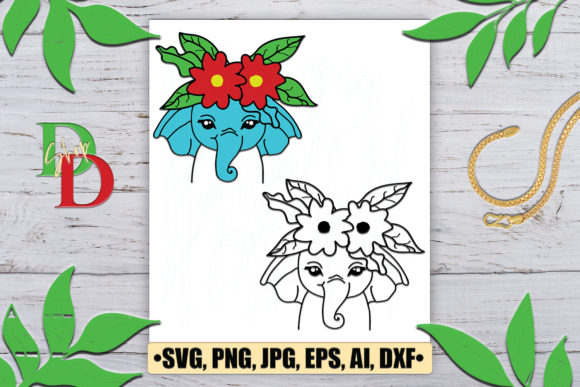
Integrating Elephant, Floral Wreath, and Flower Assets into Professional Creative Workflows
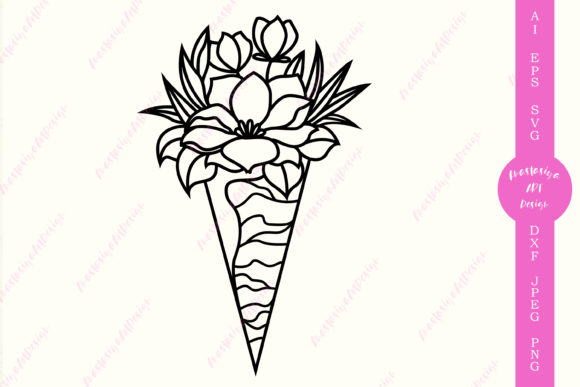
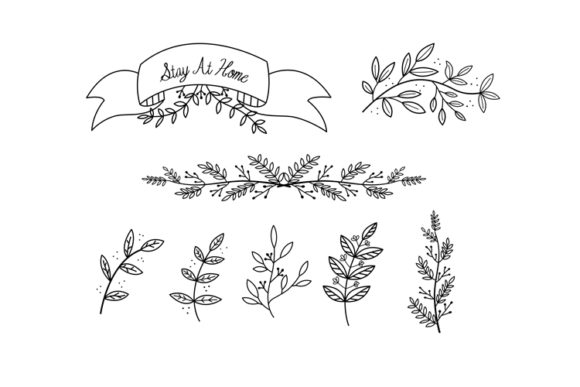
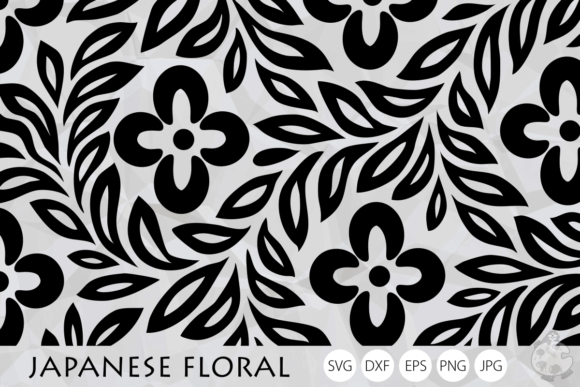
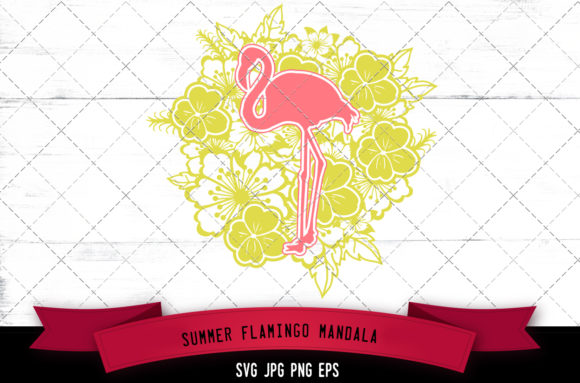
In the fast-paced environment of digital design, product creation, and content marketing, efficiency often hinges on the quality and versatility of foundational assets. The combination of an Elephant, Floral Wreath, and Flower motif represents more than just a decorative theme; it serves as a comprehensive visual system for creators who need to balance organic aesthetics with professional execution. Whether you are designing wedding stationery, creating educational materials for children, branding a nursery business, or developing seasonal marketing campaigns, having access to high-resolution, multi-format vector and raster files streamlines the production pipeline significantly.
This specific asset collection is engineered for practical application across various stages of a project lifecycle. It bridges the gap between initial conceptualization and final output by providing eighteen distinct files in a single zip folder. For professionals aged 20–50 managing multiple client deliverables or personal entrepreneurial ventures, understanding how to leverage these specific file types—AI, EPS, SVG, DXF, PNG, and JPG—is essential for maintaining workflow consistency and ensuring print-ready quality without unnecessary revision cycles.
Strategic Asset Preparation and File Organization
Before opening any design software, effective workflow management begins with proper asset organization. Upon downloading the zip folder containing the Elephant, Floral Wreath, and Flower designs, the immediate step should be extraction and categorization. Because this package includes three variations of each format, establishing a logical directory structure prevents version control issues later in the process. Create subfolders labeled "Vectors," "Raster," and "Cutting Files" to separate the AI/EPS/SVG files from the PNG/JPG and DXF assets.
This preparation phase is critical for team environments or solo freelancers working under tight deadlines. When you receive 3 vector AI, 3 vector EPS, and 3 vector SVG files alongside raster counterparts, you are essentially receiving a complete production kit. Organizing these upfront ensures that when a client requests a last-minute resize for a billboard or a format change for a laser cutter, the correct source file is immediately accessible. This eliminates the friction of searching through unorganized downloads and reduces the risk of accidentally using a low-resolution JPG for a large-format print job.
Vector Formats for Scalability and Customization
The inclusion of AI, EPS, and SVG formats places this asset collection at the center of professional design workflows. These vector-based files are resolution-independent, making them indispensable during the editing and customization phases of any project.
- Adobe Illustrator (AI): Use these source files for deep customization. If your project requires changing the color palette of the floral wreath to match specific brand guidelines or adjusting the elephant’s line weight for embroidery digitization, the AI file provides full layer access and editability.
- Encapsulated PostScript (EPS): This format acts as the universal bridge for cross-platform compatibility. When collaborating with printers or clients who use older software or non-Adobe ecosystems, EPS files ensure the Elephant, Floral Wreath, and Flower graphics retain their vector integrity without font or link errors.
- Scalable Vector Graphics (SVG): Essential for web designers and Cricut/Silhouette users. SVGs maintain crisp edges at any zoom level on screens and serve as the native language for most consumer-grade cutting machines. Utilize these for responsive web headers, digital invitations, or vinyl decals where clean cut lines are mandatory.
During the active design phase, these vector assets interact seamlessly with other tools. They can be imported directly into Canva Pro for quick social media templates, placed into InDesign for multi-page brochures, or opened in CorelDRAW for signage production. The ability to manipulate anchor points and colors means the asset adapts to the project, rather than forcing the project to adapt to the asset.
Raster Assets for Rapid Deployment and Digital Use
While vectors offer flexibility, the 300 DPI PNG and JPG files included in this package serve a different, equally vital function: speed and texture. Not every task requires opening complex vector software. For bloggers, social media managers, and educators, these pre-rendered images facilitate rapid content creation.
The PNG files, specifically rendered at 300 DPI with transparent backgrounds, are optimized for overlaying onto colored backgrounds or photographic textures. This makes them ideal for creating composite images in Photoshop, Procreate, or even PowerPoint presentations. Because each image is on a separate file, you can mix and match elements—using just the flower accent for a subtle border or the full elephant wreath for a focal point—without needing to mask out unwanted parts manually. The JPG files, also at 300 DPI, provide a reliable fallback for standard document embedding, email newsletters, and proofing documents where transparency is unnecessary but print quality remains a priority.
Specialized Applications: Cutting Machines and Physical Products
A significant portion of modern creative entrepreneurship involves physical product creation using CNC routers, laser engravers, and vinyl plotters. The inclusion of 3 vector DXF files specifically addresses this manufacturing workflow. DXF (Drawing Exchange Format) is the industry standard for CAD and cutting software like AutoCAD, Sure Cuts A Lot, and various laser cutter interfaces.
When integrating the Elephant, Floral Wreath, and Flower designs into physical production, the DXF files provide clean, closed paths necessary for accurate cutting. Unlike raster images that require auto-tracing (which often results in jagged edges or lost detail), these native vector cutting files ensure smooth operation. This is particularly relevant for creating wooden nursery signs, acrylic cake toppers, or intricate paper cuts. By utilizing the provided DXF files, makers bypass the tedious tracing step, reducing material waste and machine setup time. This direct-to-production compatibility transforms a digital download into a tangible inventory item efficiently.
Quality Control and Print Readiness
Maintaining professional standards requires rigorous quality control. A common pain point in digital asset acquisition is discovering watermarks on final outputs or realizing resolution is insufficient for print. This collection explicitly guarantees no watermarks on original images and 300 DPI resolution for raster files. This specification aligns with commercial printing standards for magazines, packaging, and fine art prints.
For professionals, this means the assets are "production-safe." You can confidently send proofs to clients knowing the final deliverable will be clean. Furthermore, because these collage sheets are ready for printing and can be reproduced indefinitely, they support scalable business models. Whether you are printing ten greeting cards or five hundred wall decals, the cost-per-unit decreases while quality remains constant. This predictability is crucial for pricing strategies and profit margin calculations in small business operations.
Licensing and Commercial Workflow Integration
Understanding usage rights is as important as technical specifications. The confirmation that these images can be used for all projects removes legal ambiguity from the creative process. For freelancers and agency owners, this broad permission simplifies client contracts and invoicing. You do not need to track separate licenses for personal versus commercial use, nor do you need to purchase extended licenses for different end-products.
This freedom allows for iterative testing. You might use the Elephant, Floral Wreath, and Flower assets in a mockup for a baby shower invitation, then repurpose the same elements for a matching thank-you card set or a nursery wall art print. The ability to reuse assets across related projects maximizes return on investment and creates cohesive visual branding for end-clients. It supports a modular design approach where core visual elements are adapted rather than recreated from scratch for every new deliverable.
Post-Project Archiving and Long-Term Value
The workflow does not end when the project is delivered. Efficient creatives build personal asset libraries to accelerate future work. After completing a project utilizing these files, archive the customized versions alongside the originals. Tag the files in your digital asset management system with relevant keywords such as "nursery," "botanical," "wildlife," and "wreath."
Because you receive eighteen files covering every major industry standard, this single zip folder serves as a long-term resource. Six months from now, when a client requests a variation on a previous theme or you need a placeholder for a portfolio piece, the assets are already vetted, organized, and compatible with your existing toolset. This reduces future procurement time and maintains stylistic consistency across your body of work.
Ultimately, the value of this Elephant, Floral Wreath, and Flower collection lies in its structural completeness. It acknowledges that modern creators are hybrid professionals who move fluidly between screen and print, vector and raster, design and manufacture. By providing every necessary format in one organized package without restrictive watermarks, it removes technical barriers and allows focus to remain where it belongs: on the creative execution and business growth. Thank you for stopping by and considering how these tools can enhance your professional productivity.