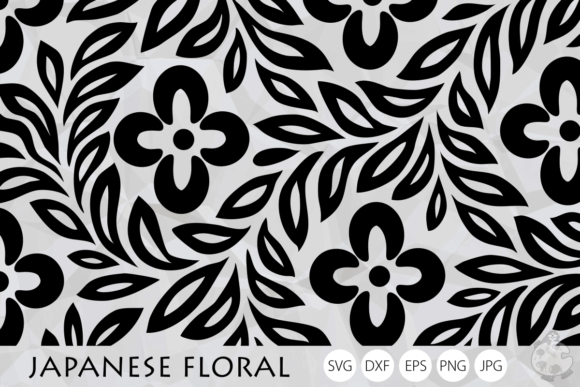
Integrating the Decorative Japanese Floral Art Cut File Into Creative and Production Workflows
The Decorative Japanese Floral Art Cut File serves as a versatile digital asset for creators, small business owners, and hobbyists who require precise, culturally inspired aesthetics in their projects. Unlike raster images that lose quality when resized, this vector-based design allows for infinite scalability without pixelation, making it an essential component in workflows ranging from laser cutting and vinyl application to high-resolution print production. Understanding how to leverage this specific asset involves more than simply opening a file; it requires a strategic approach to software compatibility, material selection, and design integration to ensure professional results.
This vintage-inspired floral pattern bridges the gap between traditional artistry and modern fabrication. Whether you are producing custom packaging, designing apparel, or creating educational materials on Japanese culture, the utility of this cut file lies in its clean geometry and optimized node structure. By incorporating this asset into your pre-production planning, you reduce setup time and minimize material waste, streamlining the path from digital concept to physical product.
Technical Specifications and Software Compatibility
Before integrating the Decorative Japanese Floral Art Cut File into any project, verifying technical compatibility is the first critical step in the workflow. This asset package is structured to support a wide ecosystem of design software and cutting machines, but each format serves a distinct purpose within the production chain.
- EPS (Inkscape Vector): Ideal for open-source vector editing and complex modifications. Use this format if you need to alter individual anchor points, merge shapes, or combine the floral pattern with other vector elements before exporting for production.
- SVG (Cricut, Silhouette, Brother): The industry standard for consumer and prosumer cutting machines. This format retains layer information and scaling data, ensuring that the machine interprets cut lines correctly without requiring manual tracing.
- DXF (AutoCad, Graphtec): Essential for industrial plotters, architectural drafting software, and users working in CAD environments. DXF files focus on geometric precision and are often preferred for laser engraving or large-format signage.
- JPG (Print Only): A high-resolution raster image suitable for background textures, mockups, or sublimation transfers. Note that this file is not cuttable and should be reserved for visual reference or print-only applications.
- Transparent PNG (Print Only): Provides a non-destructive overlay option for digital designs or direct-to-garment printing. Like the JPG, this is strictly for visual use and lacks the vector path data required for cutting.
Users must confirm their software version supports these formats before purchase. While SVG is universally accepted by most crafting platforms, older versions of Silhouette Studio or specific legacy CAD programs may require updates to parse newer vector standards efficiently. Establishing this compatibility early prevents workflow bottlenecks during active production.
Pre-Production Planning and Asset Management
Efficient use of the Vintage Japanese Floral Clip Art Cut File begins with organized asset management. Because this design is provided in black only, it functions as a foundational template rather than a finished colored product. This monochromatic delivery is intentional; it ensures maximum compatibility across different color spaces and prevents issues with embedded color profiles that can vary between monitors and printers.
In the planning phase, consider how this single-color vector interacts with your intended output. For vinyl projects, the black file represents the cut line. For printing, it serves as a keyline or registration mark. Create a dedicated folder structure for this asset that separates source vectors from exported production files. Maintaining the original EPS or SVG master file allows you to return to the source for adjustments without degrading quality through repeated exports.
When preparing for batch production, test the design’s complexity against your material constraints. Intricate floral details may require slower cutting speeds or sharper blades to prevent tearing in delicate papers or vinyls. Running a small-scale test cut using the SVG file helps calibrate machine settings before committing to expensive substrates. This validation step is crucial for maintaining consistency across large orders and reducing costly rework.
Execution Strategies for Cutting and Fabrication
During the fabrication stage, the Decorative Japanese Floral Art Cut File demonstrates its value through precision. The vector paths are optimized for cutting plotters, meaning nodes are placed strategically to facilitate smooth blade movement. However, successful execution depends on matching the file format to the specific hardware capabilities.
For Cricut and Silhouette users importing the SVG, verify that the design loads at the correct scale. Some software defaults to resizing imports to fit the canvas, which can distort intricate proportions. Always check dimensions against your physical material size immediately after import. If the design appears too dense for your chosen medium, use the EPS version in vector editing software to simplify internal details or increase spacing between floral elements before re-exporting as an SVG.
Laser cutter operators utilizing the DXF format should pay attention to kerf compensation. While the file provides exact geometry, the laser beam has physical width. Depending on the material thickness and power settings, you may need to apply offset adjustments in your CAM software to ensure the final cut matches the intended dimensions. The clean lines of this Japanese floral pattern make it particularly suitable for engraving on wood or acrylic, where the contrast between burnt edges and natural material enhances the vintage aesthetic.
Adapting the Design for Print and Mixed Media
Not every application requires physical cutting. The included JPG and Transparent PNG files enable seamless integration into print workflows where vector cutting is unnecessary. These raster assets are optimized for high DPI output, making them suitable for stationery design, textile printing, and digital marketing materials.
Because the design is delivered in black, it offers exceptional flexibility for print customization. In Photoshop, Illustrator, or Procreate, you can easily recolor the transparent PNG using blend modes like "Multiply" or "Color Overlay" to match brand guidelines or seasonal themes. This adaptability makes the Vintage Japanese Floral Clip Art Cut File a reusable resource across multiple campaigns without requiring separate color variations.
For mixed media projects combining print and cut elements, use the PNG as a registration guide. Print the floral pattern onto cardstock or fabric, then load the corresponding SVG into your cutting machine to add foil accents, embossing, or window cuts. Aligning these two processes requires careful calibration, but the result is a multi-dimensional product that leverages both the printable detail and the tactile precision of the cut file.
Quality Control and Long-Term Usability
Maintaining quality over time requires treating digital assets as living components of your production system. After completing initial projects with the Decorative Japanese Floral Art Cut File, document your successful settings. Record blade depth, pressure, speed, and material type for future reference. This institutional knowledge reduces setup time for repeat orders and ensures consistency even when switching between different machines or operators.
Regularly audit your file organization to prevent version confusion. If you modify the original vector to suit a specific client or project, save the variation with clear naming conventions rather than overwriting the master file. This practice preserves the integrity of the original asset while building a library of customized derivatives tailored to your specific niche.
Consider the licensing and usage rights associated with the file when scaling your business. Understanding whether the asset permits commercial resale, modification, or redistribution protects your enterprise from legal complications. Clear documentation of permitted uses ensures that your creative workflow remains compliant as you expand product lines or collaborate with other designers.
Optimizing Workflow Efficiency
The true value of this cut file emerges when it becomes part of a standardized workflow rather than an isolated purchase. Integrate the Decorative Japanese Floral Art Cut File into template systems for recurring products. For example, if you produce seasonal greeting cards, create base templates that incorporate the floral pattern as a consistent design element. This reduces decision fatigue and accelerates production cycles.
Collaborative teams benefit from standardized file handling protocols. Ensure all team members understand the distinction between cuttable vectors and print-only rasters. Misusing a PNG for cutting attempts leads to failed jobs and wasted materials. Clear internal documentation regarding file selection and machine settings minimizes errors and maintains professional output standards.
Finally, evaluate the return on investment periodically. Track which applications generate the most engagement or revenue. If the vintage Japanese floral aesthetic resonates strongly with your audience, consider expanding your asset library with complementary designs that share similar stylistic DNA. Building a cohesive collection of compatible cut files creates synergies that amplify the impact of individual assets and strengthens your brand’s visual identity across diverse product categories.